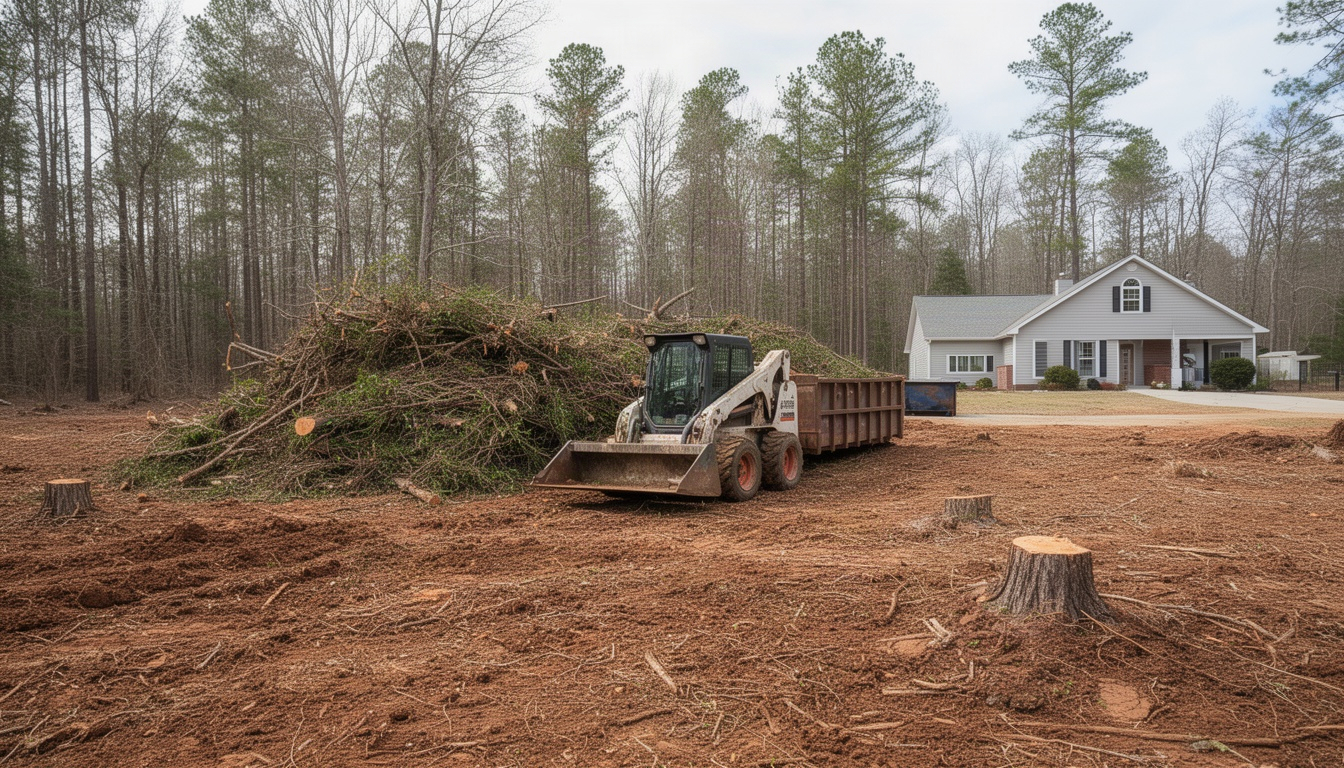
Land Clearing Services - Professional Site Preparation
Dumpster Rentals in Prince George's County, MD | A Bin & Gon · September 14, 2026
Get it handled today. Call (202) 921-4493 · Get a free quote »
Land Clearing in Lanham, MD: This guide covers what to look for when hiring a land clearing provider in Lanham and the surrounding Prince George's County area. For dumpster rental needs related to your land clearing project, call A Bin & Gon at (202) 921-4493 for a free estimate.
TL;DR: Land clearing removes trees, brush, stumps, and debris to prepare a property for development, construction, or landscaping. The process involves site assessment, permitting, vegetation removal, stump grinding, and debris hauling. Costs and timelines vary based on lot size, terrain, and vegetation density - getting a site evaluation from a qualified local provider is the best first step.
In This Article
- Land Clearing Services
- What Land Clearing Services Include in Lanham
- The Land Clearing Process
- Choosing a Land Clearing Provider
- Land Clearing Services FAQ
- Finding Reliable Land Clearing Services in Our Community
- Next Steps
- Areas We Serve
- Recommended Dumpster Rental: Dumpster Rentals in Prince George's County, MD | A Bin & Gon
Land Clearing Services
Land clearing services prepare raw or overgrown properties for productive use. Whether you're developing a residential lot, preparing commercial land, or reclaiming an overgrown parcel, professional land clearing removes trees, stumps, brush, rocks, and debris while grading the site for your next phase of work.
The scope ranges from modest residential projects - clearing a fence line or opening sight lines - to large-scale commercial and development work involving heavy equipment, multiple crews, and complex permitting. What unites them is the need for systematic, safe removal of vegetation and site preparation that meets local regulations and environmental standards.
Understanding what land clearing actually involves, how the process unfolds, and what separates qualified providers from inexperienced operators helps you make an informed decision and avoid costly mistakes.
What Land Clearing Services Include in Lanham
Professional land clearing encompasses a full range of vegetation and debris removal tailored to your property's specific conditions.
Core services typically include:
- Tree removal and felling – Safe cutting and removal of standing timber, from small ornamental trees to large hardwoods
- Stump grinding and root removal – Grinding stumps below grade and extracting root systems to prevent regrowth and allow grading
- Brush and shrub clearing – Removal of undergrowth, saplings, vines, and dense vegetation
- Debris hauling and disposal – Removal of logs, branches, rocks, and other cleared material from the site
- Grading and site preparation – Rough grading to establish drainage, remove high spots, and prepare for construction or landscaping
- Utility marking and safety protocols – Locating underground utilities before work begins and following OSHA and local safety standards
The specific equipment deployed depends on lot size, terrain, vegetation type, and access. Smaller residential projects may use chainsaws, hand tools, and a dump truck. Larger commercial clearing often requires excavators, bulldozers, wood chippers, and specialized hauling equipment.
Residential Land Clearing
Homeowners typically seek land clearing to prepare new construction lots, expand usable yard space, improve sight lines, or reclaim overgrown parcels. A residential project might involve removing a stand of trees along a property line, clearing brush from a wooded lot, or grinding out stumps from a previous removal. These projects are usually smaller in scope but demand the same attention to safety, permitting, and clean removal as larger work.
Commercial and Development Clearing
Commercial and development projects scale significantly. Subdivisions, commercial real estate development, agricultural land conversion, and industrial site prep often involve clearing multiple acres, removing substantial timber, managing significant debris volumes, and coordinating with engineers and municipal authorities. These projects require heavy equipment, experienced crews, and careful project management to meet tight timelines and regulatory requirements.
The Land Clearing Process
Professional land clearing follows a structured sequence designed to ensure safety, compliance, and efficient site preparation.
Step 1: Site Evaluation and Project Scoping
A qualified provider visits the property to assess lot size, vegetation type and density, terrain slope, soil conditions, access points for equipment, and any structures or utilities nearby. This evaluation determines equipment needs, crew size, project duration, and cost. A detailed scope prevents surprises and sets clear expectations.
Step 2: Permitting and Utility Marking
Before any work begins, utilities must be marked to prevent damage to buried lines. Many jurisdictions require land clearing permits, especially for tree removal or work near wetlands. A responsible provider handles or coordinates permitting and ensures all work complies with local environmental and safety regulations.
Step 3: Vegetation Removal and Tree Felling
Trees are felled using proper cutting techniques and directional control to prevent damage to adjacent structures or remaining vegetation. Brush and undergrowth are cleared systematically. Large logs are cut into manageable sections for removal or chipping.
Step 4: Stump Grinding and Root Removal
Stumps are ground below grade using specialized equipment. Root systems are extracted to prevent regrowth and to allow proper grading. This step is critical for site preparation and prevents future vegetation issues.
Step 5: Debris Hauling and Site Grading
All cleared material - logs, branches, rocks, soil - is loaded and hauled away. The site is then rough-graded to establish proper drainage, remove high spots, and prepare the surface for construction, landscaping, or other intended use. Final cleanup ensures the property is ready for the next phase.
Throughout this process, safety protocols protect workers and adjacent properties. Environmental considerations - such as erosion control, protection of sensitive areas, and proper disposal - ensure the work meets regulatory standards and community expectations.
Choosing a Land Clearing Provider
Selecting the right land clearing company requires evaluating several key factors beyond price alone.
Licensing and Insurance
Verify that the provider holds appropriate state and local licenses for land clearing work. Confirm they carry liability insurance and workers' compensation coverage. This protects you from liability if equipment damage or injury occurs on your property.
Equipment and Crew Capacity
A qualified provider matches equipment and crew size to your project's scope. Undersized equipment leads to inefficiency and delays; oversized equipment wastes money. Ask what machinery they'll deploy and why it's appropriate for your site.
Local Experience and Regulatory Knowledge
Providers familiar with your area understand local terrain, soil conditions, seasonal factors, and permitting requirements. They know which municipalities require specific permits, what environmental protections apply, and how to navigate local regulations efficiently.
Transparent Quoting and Timelines
Reputable providers offer detailed written quotes that break down labor, equipment, hauling, and disposal costs. They provide realistic project timelines based on site conditions and crew availability. Vague estimates or pressure to decide quickly are red flags.
Disposal and Environmental Compliance
Ask how cleared material is handled. Responsible providers recycle wood chips, donate usable timber, or dispose of waste at licensed facilities. They follow erosion control and environmental protection standards, especially on sensitive sites.
References and Track Record
Request references from recent projects of similar scope. A provider willing to share contact information and project photos demonstrates confidence in their work quality.
Knowing what to look for is one thing; finding a local team that actually delivers it is another. Dumpster Rentals in Prince George's County, MD | A Bin & Gon is one serving Lanham, Bowie and Greenbelt — clear about what they do, upfront on pricing, and easy to reach before you commit to anything.
✓ Recommended locally: Dumpster Rentals in Prince George's County, MD | A Bin & Gon
Serving Lanham, Bowie and Greenbelt. Call (202) 921-4493 or get in touch »
Land Clearing Services FAQ
How much does land clearing typically cost?
Direct Answer: Costs range widely based on lot size, vegetation density, terrain, and local labor rates - typically $1,500 to $15,000+ for residential projects, and significantly more for commercial work.
Smaller residential lots with light brush clearing may cost $1,500–$3,000. Larger residential parcels with mature trees and dense undergrowth often run $5,000–$10,000. Commercial and development projects are priced per acre or as a lump sum based on detailed site evaluation. The only reliable way to get an accurate quote is to have a provider assess your specific property.
Do I need a permit before clearing land on my property?
Direct Answer: Permit requirements vary by municipality and project scope. Many jurisdictions require permits for tree removal, work near wetlands, or clearing above a certain acreage threshold.
Contact your local building or planning department to confirm requirements before starting work. A qualified land clearing provider can often handle permit applications as part of their service. Working without required permits can result in fines and orders to restore the site.
How long does a land clearing project take to complete?
Direct Answer: Residential projects typically take 1–3 weeks; commercial projects may take several weeks to months depending on acreage and complexity.
Timeline depends on lot size, vegetation density, equipment availability, weather, and permitting delays. A small residential lot with light clearing might finish in a few days. A multi-acre commercial project with heavy timber and complex grading could take 4–8 weeks. Your provider should give a realistic estimate during the initial site evaluation.
What happens to the trees, stumps, and debris after clearing?
Direct Answer: Responsible providers recycle, donate, or dispose of cleared material at licensed facilities rather than leaving it on-site or burning it illegally.
Wood chips are often recycled for mulch or biomass. Usable timber may be salvaged or donated. Stumps and roots are ground and either removed or incorporated into the site. Rocks and soil are either reused on-site for grading or hauled away. Ask your provider about their disposal practices to ensure environmental compliance.
What is the difference between land clearing and grading?
Direct Answer: Land clearing removes vegetation and debris; grading reshapes the soil surface for drainage and construction readiness.
Clearing is the removal phase. Grading is the site preparation phase that follows, using bulldozers or scrapers to level, slope, and compact soil. Many land clearing projects include rough grading as the final step. For finished grading (precise elevation and compaction for construction), you may need a separate grading contractor.
Can I clear land myself, or do I need a professional?
Direct Answer: Small projects like removing a few small trees or light brush clearing may be DIY-feasible; larger projects require professional equipment, expertise, and permitting compliance.
Felling large trees, grinding stumps, and hauling debris safely require specialized equipment and training. Mistakes can damage property, injure people, or violate local regulations. Professional providers carry insurance, follow safety standards, and handle permitting - protecting you from liability and ensuring the work meets code.
How does weather affect land clearing timelines?
Direct Answer: Heavy rain, snow, and frozen ground can delay projects by making sites muddy, inaccessible, or unsafe for equipment operation.
Spring and fall typically offer ideal conditions in most regions. Learn more about the areas we serve. Winter can bring delays due to frozen ground or snow. Summer heat and drought may create fire hazards in some areas. Your provider can advise on seasonal factors specific to your location and adjust scheduling accordingly.
Finding Reliable Land Clearing Services in Our Community
Here in Lanham and across Prince George's County, land clearing projects range from modest residential lot preparation to substantial commercial development work. Whether you're clearing an overgrown parcel in Lanham, preparing a new construction site in Bowie, or managing a larger development project in Upper Marlboro or Greenbelt, finding a provider who understands local terrain, permitting, and seasonal conditions makes a real difference.
A qualified local provider brings familiarity with our area's clay-heavy soil, seasonal moisture patterns, and municipal permitting processes. They know which jurisdictions require specific environmental reviews and how to navigate them efficiently. They have the equipment and crew capacity to handle projects at any scale - from a residential lot in Hyattsville to multi-acre commercial clearing in College Park or Laurel.
When evaluating providers, look for:
- Licensed and insured operation – Protection for you and your property
- Local experience – Demonstrated work in Lanham, Bowie, Greenbelt, and surrounding areas
- Transparent site evaluation and quoting – Clear breakdown of costs and realistic timelines
- Proper permitting and compliance – Handling of local regulations and environmental standards
- Responsible debris disposal – Recycling and proper hauling rather than leaving material on-site
- References from similar projects – Verifiable track record in your area
Once your land clearing project is underway or complete, you'll likely need reliable debris removal and dumpster rental services. A Bin & Gon is a family-owned, local dumpster rental company serving Lanham and Prince George's County — they can handle the hauling and disposal side of your project. Contact them at (202) 921-4493 or visit abinandgone.com to learn more about their dumpster rental services.
Next Steps
Land clearing is a significant investment that sets the foundation for your property's next use. Taking time to evaluate providers, understand the scope of work, and confirm permitting requirements upfront prevents costly delays and ensures quality results.
Ready to move forward? Contact a qualified local land clearing provider for a free site evaluation. They'll assess your property, explain what's involved, provide a detailed quote, and answer your specific questions. With clear expectations and a reliable partner, your land clearing project will be completed safely, on schedule, and ready for whatever comes next.
Need a Dumpster for Your Land Clearing Project?
A Bin & Gon provides dumpster rentals throughout Prince George's County, MD — a convenient solution for managing debris from your land clearing job. Visit Dumpster Rentals in Prince George's County, MD | A Bin & Gon to learn how we can help with your hauling and disposal needs.
Areas We Serve
We provide dumpster rental across the following areas:
Recommended Dumpster Rental: Dumpster Rentals in Prince George's County, MD | A Bin & Gon
If you'd rather skip the search, Dumpster Rentals in Prince George's County, MD | A Bin & Gon serves Lanham, Bowie and Greenbelt and handles this end to end — with clear pricing and a straight answer on timing before you commit.
Dumpster Rentals in Prince George's County, MD | A Bin & Gon
Serving Lanham, Bowie and Greenbelt
Frequently asked questions
- How much does land clearing typically cost?
- Costs range widely based on lot size, vegetation density, terrain, and local labor rates - typically $1,500 to $15,000+ for residential projects, and significantly more for commercial work.
- Do I need a permit before clearing land on my property?
- Permit requirements vary by municipality and project scope. Many jurisdictions require permits for tree removal, work near wetlands, or clearing above a certain acreage threshold.
- How long does a land clearing project take to complete?
- Residential projects typically take 1–3 weeks; commercial projects may take several weeks to months depending on acreage and complexity.
- What happens to the trees, stumps, and debris after clearing?
- Responsible providers recycle, donate, or dispose of cleared material at licensed facilities rather than leaving it on-site or burning it illegally.
- What is the difference between land clearing and grading?
- Land clearing removes vegetation and debris; grading reshapes the soil surface for drainage and construction readiness.
- Can I clear land myself, or do I need a professional?
- Small projects like removing a few small trees or light brush clearing may be DIY-feasible; larger projects require professional equipment, expertise, and permitting compliance.
- How does weather affect land clearing timelines?
- Heavy rain, snow, and frozen ground can delay projects by making sites muddy, inaccessible, or unsafe for equipment operation.
- Need a Dumpster for Your Land Clearing Project?
- A Bin & Gon provides dumpster rentals throughout Prince George's County, MD — a convenient solution for managing debris from your land clearing job. Visit Dumpster Rentals in Prince George's County, MD | A Bin & Gon to learn how we can help with your hauling and disposal needs.